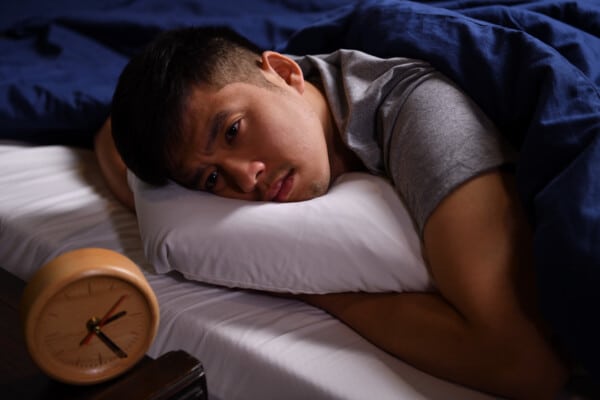
You know the cycle all too well. A bad night’s sleep leads to a pounding headache the next day. The headache makes it impossible to sleep well that night. Poor sleep triggers another migraine. And round and round you go, trapped in an exhausting loop that seems impossible to break.
If this sounds like your reality, you’re not alone. At Hejny Chiropractic in Spring Lake Park, we see patients every day who are caught in this vicious cycle of sleep deprivation and migraine headaches. What many people don’t realize is that these two problems aren’t just related—they’re often symptoms of the same underlying issue.
As your Spring Lake chiropractor, Dr. Justin Hejny wants you to understand why this cycle happens and, more importantly, how you can finally break free from it.
Table of Contents
The Hidden Connection Between Sleep and Migraines
Most people think of sleep problems and migraines as separate issues that just happen to make each other worse. But the truth is more complex and, ultimately, more hopeful than that.
Your brain and nervous system don’t operate in isolation. They’re part of an interconnected system that depends on proper spinal alignment and nervous system function to work correctly. When your spine—particularly your neck—isn’t functioning properly, it can disrupt both your sleep patterns and trigger migraine episodes.
Think about it: your cervical spine houses the nerves that control everything from blood flow to your brain to the muscle tension in your neck and shoulders. When vertebrae in this crucial area become misaligned, they create interference that your nervous system interprets as stress.
This stress response affects two critical areas: your brain’s ability to regulate sleep cycles and your susceptibility to migraine triggers. It’s not that poor sleep causes migraines or vice versa—it’s that both problems often stem from the same source of nervous system dysfunction.
Why Sleep Deprivation Makes You a Migraine Target
When you don’t get quality sleep, your body doesn’t just feel tired—it goes into survival mode. Here’s what happens in your system that makes migraine relief in Spring Lake so challenging for sleep-deprived patients:
- Your Pain Threshold Drops – Sleep is when your body produces natural pain-fighting chemicals and repairs damaged tissues. Without adequate rest, your pain threshold plummets, making you hypersensitive to triggers that might not normally bother you.
- Stress Hormones Spike – Poor sleep elevates cortisol and other stress hormones that directly contribute to inflammation and blood vessel changes associated with migraines. Your nervous system remains in a state of high alert, ready to trigger a migraine at the slightest provocation.
- Blood Sugar Becomes Unstable – Sleep deprivation disrupts your body’s ability to regulate blood sugar, creating another common migraine trigger. Those afternoon crashes after a sleepless night aren’t just about energy—they’re setting the stage for head pain.
- Muscle Tension Increases – When you’re tired, you unconsciously tense muscles in your neck, shoulders, and jaw. This tension creates additional stress on your cervical spine, compounding any existing alignment issues and creating the perfect storm for a migraine.

The Migraine-Sleep Destruction Cycle
Here’s where things get particularly frustrating for patients seeking migraine relief in Spring Lake. Once a migraine hits, it doesn’t just cause pain, actively disrupts your ability to get the restorative sleep you need to recover.
- Pain Prevents Deep Sleep – Even if you manage to fall asleep during or after a migraine, the residual pain and inflammation prevent you from reaching the deep sleep stages your brain needs for repair and recovery.
- Medication Side Effects – Many migraine medications, especially those containing caffeine, can interfere with sleep patterns for hours or even days after use.
- Anxiety About the Next Episode – The fear of triggering another migraine can create bedtime anxiety that makes it difficult to relax and fall asleep naturally.
- Disrupted Sleep Schedule – Migraines often force people to sleep at irregular times—napping during episodes, staying up late to make up for lost productivity—which throws off your body’s natural circadian rhythms.
What Most Doctors Miss About Sleep Deprivation and Migraine Headaches
Traditional medical approaches typically treat sleep problems and migraines as separate conditions requiring separate solutions. You might get a sleep study for insomnia and migraine medications for headaches, but nobody’s looking at the mechanical dysfunction that could be causing both problems.
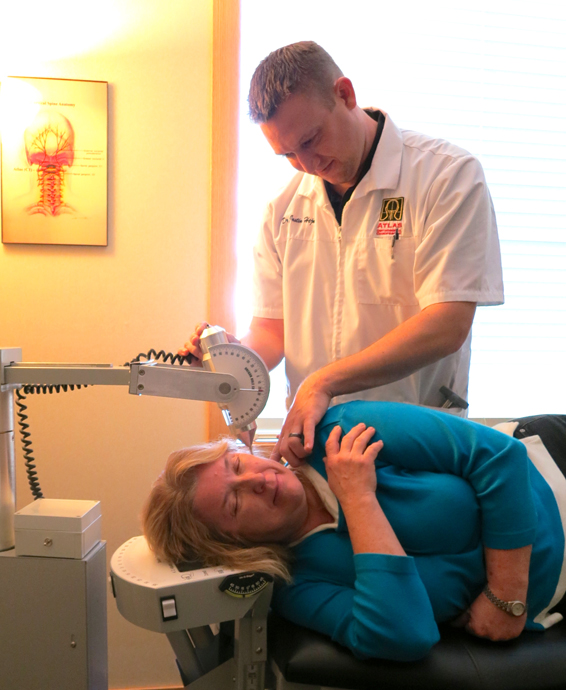
As a Spring Lake chiropractor specializing in neurological conditions, Dr. Hejny sees the bigger picture. When your cervical spine is misaligned, it affects:
- Brainstem Function – Your brainstem controls sleep-wake cycles, pain processing, and blood pressure regulation. Pressure or interference in this area can disrupt all these functions simultaneously.
- Blood Flow to the Brain – Cervical misalignments can reduce blood flow to areas of the brain responsible for sleep regulation and pain modulation, creating the perfect conditions for both sleep problems and migraines.
- Nerve Communication – Your nervous system needs clear pathways to coordinate the complex processes of sleep and pain management. Spinal interference disrupts these communications, leading to dysfunction in both areas.
- Muscle Tension Patterns – Chronic spinal misalignments create compensatory muscle tension that not only triggers migraines but also makes it physically uncomfortable to relax into restful sleep.
The Spring Lake Park Chiropractic Difference: Addressing Root Causes
At Hejny Chiropractic, we don’t treat symptoms. Instead, we identify and correct the underlying spinal dysfunction that’s contributing to both your sleep problems and migraines. Dr. Justin Hejny’s approach recognizes that lasting migraine relief in Spring Lake requires addressing the whole system, not just individual symptoms.
- Precision Spinal Analysis – Using advanced diagnostic techniques, we identify specific areas of cervical dysfunction that could be interfering with nervous system function related to sleep and pain processing.
- Targeted Correction – Gentle, precise adjustments restore proper alignment to vertebrae affecting nerve function, often providing relief for both sleep issues and migraines simultaneously.
- Nervous System Optimization – By removing interference from your nervous system, we allow your body’s natural sleep and pain management systems to function as they’re designed to.
- Lifestyle Integration – We provide specific recommendations for sleep hygiene, stress management, and ergonomic improvements that support your spinal health and reduce migraine triggers.
Breaking the Cycle: What Patients Experience
When spinal dysfunction is corrected and nervous system function improves, patients often notice remarkable changes in both their sleep quality and migraine patterns:
- Sleep Becomes Restorative Again – Instead of waking up tired even after a full night’s sleep, patients report feeling genuinely refreshed and energized in the morning.
- Migraine Frequency Drops – Many patients find that their migraines become less frequent as their sleep improves and their nervous system becomes less reactive to triggers.
- Stress Tolerance Increases – With better sleep and reduced pain, patients handle daily stressors more easily, further reducing migraine triggers.
- Energy Levels Stabilize – The afternoon crashes and energy fluctuations that often trigger migraines become less pronounced as sleep quality improves.
- Overall Health Improves – Better sleep affects everything from immune function to mental clarity, creating an upward spiral of improved health rather than the downward spiral of the sleep-migraine cycle.

Could This Be Your Missing Piece? Get in Touch To Schedule Your Appointment
If you’ve been treating your sleep problems and migraines as separate issues without lasting success, it might be time to consider the spinal connection. This is especially worth investigating if:
- Your sleep problems and migraines seem to trigger each other
- You’ve tried various sleep aids and migraine medications with limited success
- You wake up with headaches or neck stiffness
- Your migraines worsen during periods of high stress or poor sleep
- You have a history of neck injuries or spend long hours in poor posture
Breaking the cycle of sleep deprivation and migraine headaches isn’t about finding more ways to manage symptoms—it’s about addressing the underlying dysfunction that’s creating both problems.
Contact Hejny Chiropractic today to schedule your comprehensive evaluation with Dr. Justin Hejny. As an experienced Spring Lake chiropractor, he’ll determine whether spinal dysfunction is contributing to your sleep and migraine problems and develop a personalized treatment plan to help you reclaim both restful nights and pain-free days.
Because life’s too short to spend it exhausted and in pain.
Please note: Individual results may vary. Dr. Hejny will conduct a thorough evaluation to determine if chiropractic care is appropriate for your specific sleep and migraine conditions.
To schedule a complimentary consultation with Dr. Hejny, call our Spring Lake Park office at 763-230-0116. You can also click the button below.
 If you are outside of the local area, you can find an Upper Cervical Doctor near you at www.uppercervicalawareness.com.
About the Author